.png)
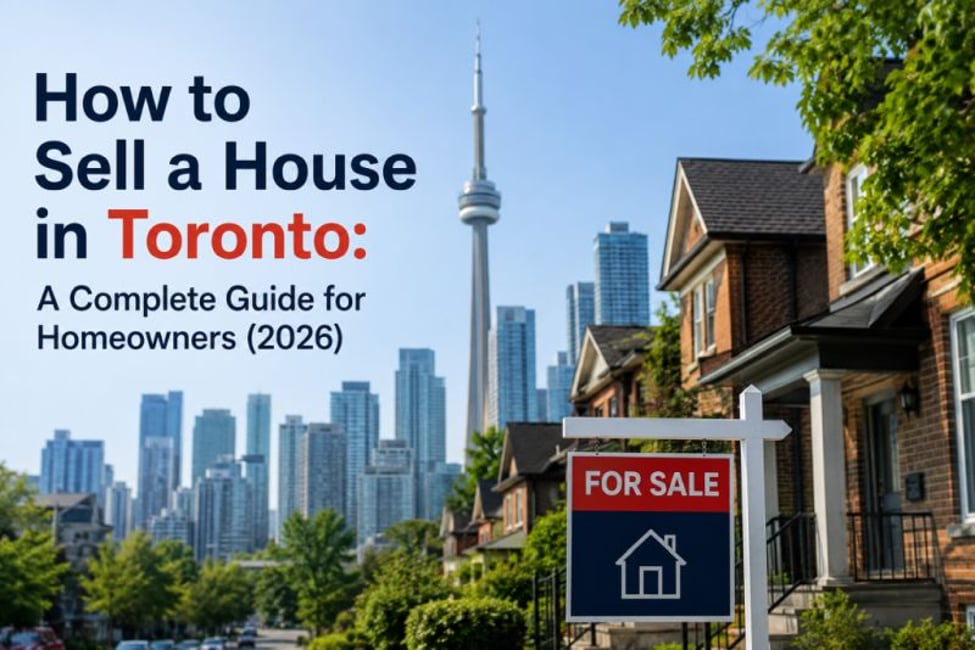
How to Sell a House in Toronto: A Complete Guide for Homeowners (2026)
By Navid Sharifzadeh, RE/MAX Realtron Barry Cohen Homes Inc. | 15 Years of Experience Serving North York, York Mills & Bayview Village
Selling a house in Toronto involves six core steps: pricing the home accurately using recent comparable sales, preparing it for market through staging and minor repairs, listing it on REALTOR.ca and the MLS with professional photography, marketing it to qualified buyers, negotiating offers, and closing with a real estate lawyer. Most well-prepared homes in the Greater Toronto Area sell within 2 to 4 weeks when priced correctly for current market conditions. The process typically takes 30 to 60 days from listing to closing, though timing varies by neighborhood, price point, and time of year.
I'm Navid Sharifzadeh, a Toronto-based real estate broker with RE/MAX Realtron Barry Cohen Homes Inc. Over 15 years and more than 200 home sales across North York, York Mills, and Bayview Village, I've guided sellers through every version of this market — buyer's markets, seller's markets, and the strange in-between ones. This guide walks through exactly how the process works, what actually moves the needle on price, and the questions I get asked most often by Toronto homeowners getting ready to sell.
How Do You Sell a House in Toronto, Step by Step?
Selling a home in Toronto follows a fairly consistent sequence, regardless of whether you're in a condo in the core or a detached home in North York. Here's the process I walk every client through, from the first conversation to the day you hand over the keys.
1. Get a Realistic Home Valuation
Before anything else, you need a number grounded in actual data — not Zillow's algorithm, not what your neighbor claims they sold for, and not what you'd like it to be worth. A proper valuation pulls recent sold comparables (not just active listings) within your specific neighborhood, adjusts for square footage, lot size, renovations, and condition, and accounts for how quickly similar homes have been moving.
2. Prepare the Home for Market
This is where most of the value gets created or lost. Decluttering, depersonalizing, minor repairs, a fresh coat of neutral paint, and addressing anything a home inspector would flag all pay for themselves many times over. Staging isn't about making a home look fake — it's about helping buyers picture their own life in the space.
3. Set the Right List Price and Strategy
Pricing is strategy, not guesswork. In some Toronto micro-markets, pricing slightly under market value to generate competing offers makes sense. In others — particularly in slower-moving segments — pricing at fair market value from day one protects against a stale listing. The right approach depends on current inventory levels, buyer demand, and how your specific home compares to what's actively competing for the same buyers.
4. List on MLS and REALTOR.ca with Professional Marketing
Your home needs to show up where buyers and their agents are actually looking. That means a clean MLS listing, professional photography (and video or 3D tours where appropriate), and accurate, compelling copy — not generic descriptions that could apply to any house on the street.
5. Manage Showings and Negotiate Offers
Once the home is live, the work shifts to managing showings, gathering buyer feedback, and — when offers come in — negotiating not just on price, but on conditions, closing dates, and inclusions. This is where having someone who negotiates professionally and regularly matters most; it's rarely just about the highest number on the page.
6. Close with a Real Estate Lawyer
Once an offer is accepted, a real estate lawyer handles the title search, mortgage discharge, and final paperwork. In Ontario, closing typically happens 30 to 90 days after an accepted offer, depending on what both parties negotiate.
When Is the Best Time to Sell a Home in Toronto?
The strongest selling windows in Toronto are typically late spring (April to June) and early fall (September to October), when buyer activity peaks and inventory is well-absorbed. That said, the "best" time to sell is less about the calendar and more about your specific neighborhood's current supply-and-demand balance, your own timeline, and what's happening in your price bracket right now.
Here's how I break this down with sellers in North York, York Mills, and Bayview Village specifically:
- Spring (April–June): Historically the busiest season for GTA real estate. Buyers are motivated to close before summer, school-year considerations push family moves, and listing inventory tends to look its best with longer daylight and curb appeal in full bloom.
- Early Fall (September–October): A strong secondary window. Buyers who didn't find what they wanted in spring re-enter the market, and there's typically less competition from other sellers than in peak spring.
- Winter (November–February): Slower overall, but serious buyers (relocations, job changes, motivated purchasers) are still active — and with less competing inventory, well-priced homes can stand out.
- Summer (July–August): Activity often dips due to vacations, but it varies by segment — family homes near good school catchments can still move well in early summer.
The bigger factor, honestly, is rarely the season — it's whether your specific home is priced and presented correctly for whatever the market is doing right now. I've sold homes well above asking in January and watched overpriced spring listings sit for months. Timing helps at the margins; pricing and presentation do the heavy lifting.
What Is My Toronto Home Worth in 2026?
Your home's 2026 market value is determined by recent comparable sales (not asking prices) within your specific neighborhood, adjusted for your home's size, condition, lot, upgrades, and how current buyer demand compares to available inventory. The only reliable way to get an accurate number is a comparative market analysis (CMA) built from sold data in the last 60–90 days — anything older risks missing shifts already underway in your micro-market.
Generic online estimators (the kind that spit out a number from an address alone) are a reasonable starting point for curiosity, but they don't know that your kitchen was renovated in 2023, that your lot backs onto a ravine, or that three nearly identical homes on your street just sold within two weeks of each other. In neighborhoods like North York, York Mills, and Bayview Village, where home styles and lot sizes vary block to block, that local nuance often swings value by tens of thousands of dollars in either direction.
What I look at when valuing a home for a seller:
- True comparable sales — same neighborhood, similar size, similar style, sold (not listed) within the last 90 days
- Renovations and upgrades, and how much of that investment the market is actually paying back right now
- Lot characteristics: size, shape, ravine or corner positioning, privacy
- Current absorption rate — how fast similar homes in your specific price bracket are selling right now
- Days-on-market trends for your micro-market over the last quarter, not the city-wide average
Across more than 200 home sales, I've consistently sold listings at roughly 8% above list price — which only happens when the initial pricing and positioning are right from day one. An accurate valuation isn't just informational; it's the foundation the entire sale is built on.
The Full Selling Process, Start to Finish
If you want the complete picture in one place, here's the step-by-step path most of my sellers in North York, York Mills, and Bayview Village follow, from our first conversation to closing day:
- Initial consultation: We walk through your goals, timeline, and what's currently happening in your specific neighborhood's market.
- Home valuation: I prepare a comparative market analysis using true sold comparables, not estimates or asking prices.
- Pre-listing prep: We identify any repairs, decluttering, or staging that will meaningfully impact buyer perception and final sale price.
- Pricing and listing strategy: We agree on a list price and strategy suited to current demand in your specific micro-market.
- Professional marketing: Photography, listing copy, and promotion across MLS, REALTOR.ca, and targeted buyer channels.
- Showings and feedback: We manage showings and use real buyer feedback to adjust strategy if needed.
- Offer negotiation: When offers arrive, we negotiate price, conditions, and closing terms — not just the headline number.
- Conditional period: Buyer financing, inspection, or other conditions are satisfied or waived.
- Legal closing: A real estate lawyer finalizes title transfer, mortgage discharge, and fund disbursement.
- Possession day: Keys change hands, and the sale is complete.
Why Toronto Sellers Work With Navid Sharifzadeh
I've spent the last 15 years focused on one corner of the Toronto market: North York, York Mills, and Bayview Village. That focus matters more than it might sound — pricing and selling a home well depends on knowing not just the city-wide trend, but what's happening on specific streets, in specific school catchments, and among specific buyer pools.
- 15 years of full-time experience in Toronto real estate
- Over 200 homeowners represented through sale or purchase
- Homes consistently sold at approximately 8% above list price
- Deep specialization in North York, York Mills, and Bayview Village
- Brokered through RE/MAX Realtron Barry Cohen Homes Inc., 685 Sheppard Ave E, Suite 401, North York
Most of what I do for sellers isn't visible in a listing photo — it's the pricing strategy, the negotiation, and the local knowledge that turns a good outcome into a great one.
Frequently Asked Questions
How much does it cost to sell a house in Toronto?
Selling costs in Toronto typically include real estate commission (commonly negotiated between the seller and their agent), legal fees for closing (generally $1,000–$2,000), any agreed pre-listing repairs or staging costs, and mortgage discharge fees if applicable. Most sellers should budget for these costs as a percentage of final sale price rather than a flat number, since commission and staging needs vary by home and strategy.
Do I need a lawyer to sell my house in Ontario?
Yes. Ontario law requires a real estate lawyer to handle the closing of a residential sale, including the title transfer, mortgage discharge, and disbursement of funds. Your real estate agent manages the marketing and negotiation; the lawyer manages the legal transfer.
Should I sell my house before or after buying a new one?
It depends on your financial flexibility and the current market. In a balanced or seller-favoring market, selling first often makes sense, since it gives you certainty on your proceeds before committing to a purchase. In a fast-moving, low-inventory market, some sellers negotiate a longer closing or rent-back period so they can secure their next home first. This is a strategy conversation worth having before listing, not after.
How long does it take to sell a house in North York?
Well-priced, well-prepared homes in North York, York Mills, and Bayview Village typically receive offers within 2 to 4 weeks of listing, with closing happening 30 to 60 days after that, depending on what's negotiated. Homes priced above current market value, or shown without proper preparation, often take significantly longer and tend to sell for less than they would have at the right price from day one.
Thinking About Selling? Start With the Right Information
Every Toronto home and every seller's situation is a little different, and the strategy that gets one homeowner 8% above asking won't look identical for the next. If you're considering a sale in North York, York Mills, Bayview Village, or anywhere nearby, the best next step is getting clear, specific information before you make any decisions.
Download my free Seller's Guide for a complete breakdown of pricing strategy, prep priorities, and what to expect at every stage of selling your Toronto home — built from 15 years and 200+ transactions of real, local experience.
You can reach me directly at 647-300-1010 or through navidsharifzadeh.com to talk through your specific home and timeline.